Market Insights
Capital Improvements
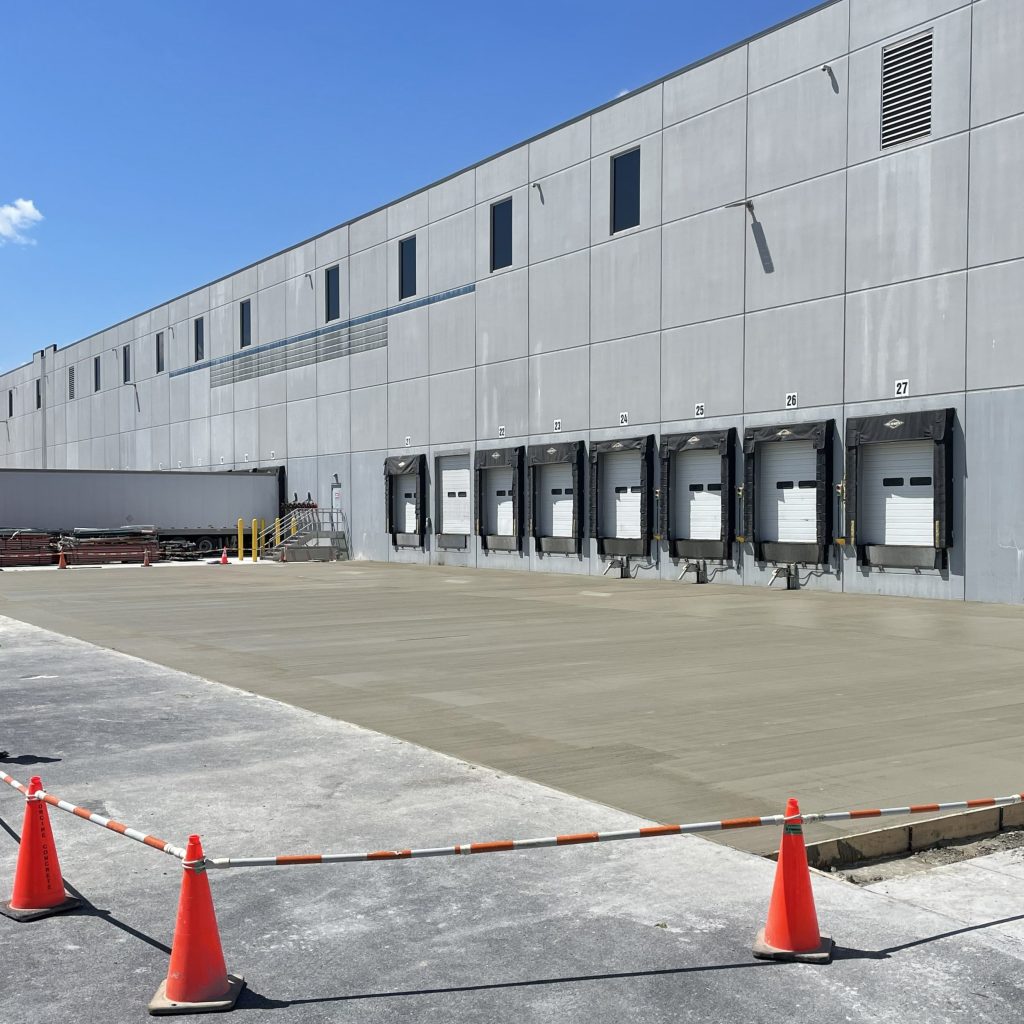
Rooted in relationships, growth depends on trust and tailored solutions.
Capital improvement funds are used to maintain, upgrade, expand, or repair existing infrastructure and assets. Construction in this market exists on varied scales, and frequently involves updates to building access, logistics, and egress. It is an investment in the remedial health and prolonged efficiency of facilities and structures to adapt to the evolving needs of users and preserve long term functionality.
Frequently, this work is completed directly for an owner or end-user instead of traditional communication through a general contractor. Sophisticated means, methods, and expertise from large-scale contractors can be scaled down and transferred to smaller scale work in this market. No structure is immune to maintenance requirements, and the Capital Improvements market provides a direct line to fulfill those needs.
Evolutions in Capital Improvements
The Capital Improvements market represents an ongoing opportunity driven by the need to maintain, modernize, and extend the service life of existing facilities and infrastructure. Unlike new construction, capital improvement projects are cyclical investments that address asset performance, regulatory compliance, operational efficiency, and changing occupant or business needs. As facilities age, organizations increasingly allocate capital budgets to renovations, system upgrades, deferred maintenance, and resilience improvements rather than replacement.
Despite broader changes in the industry, this market remains rooted in trusted owner-contractor relationships. Familiarity with an owner’s facilities and operational requirements can improve project execution and inform recommendations for future investments. Effective execution supports the continued operation of critical infrastructure and public spaces while preserving the long-term value of community assets.
Market Considerations
When working to maintain or repair existing structures, there may be uncertainty as to how the surrounding environment has changed since originally constructed. A wealth of experience working on preexisting structures can prepare a contractor to confront these uncertainties. Capital Improvements work can vary in size and scope to meet the specific needs of the end-user.
Market Forecast
There's a long runway in this market, because every facility needs care over time. The real opportunity is in becoming a familiar partner—someone clients know will understand the problem and help them find the right solution.
Brian Boyer, EVP Business Development
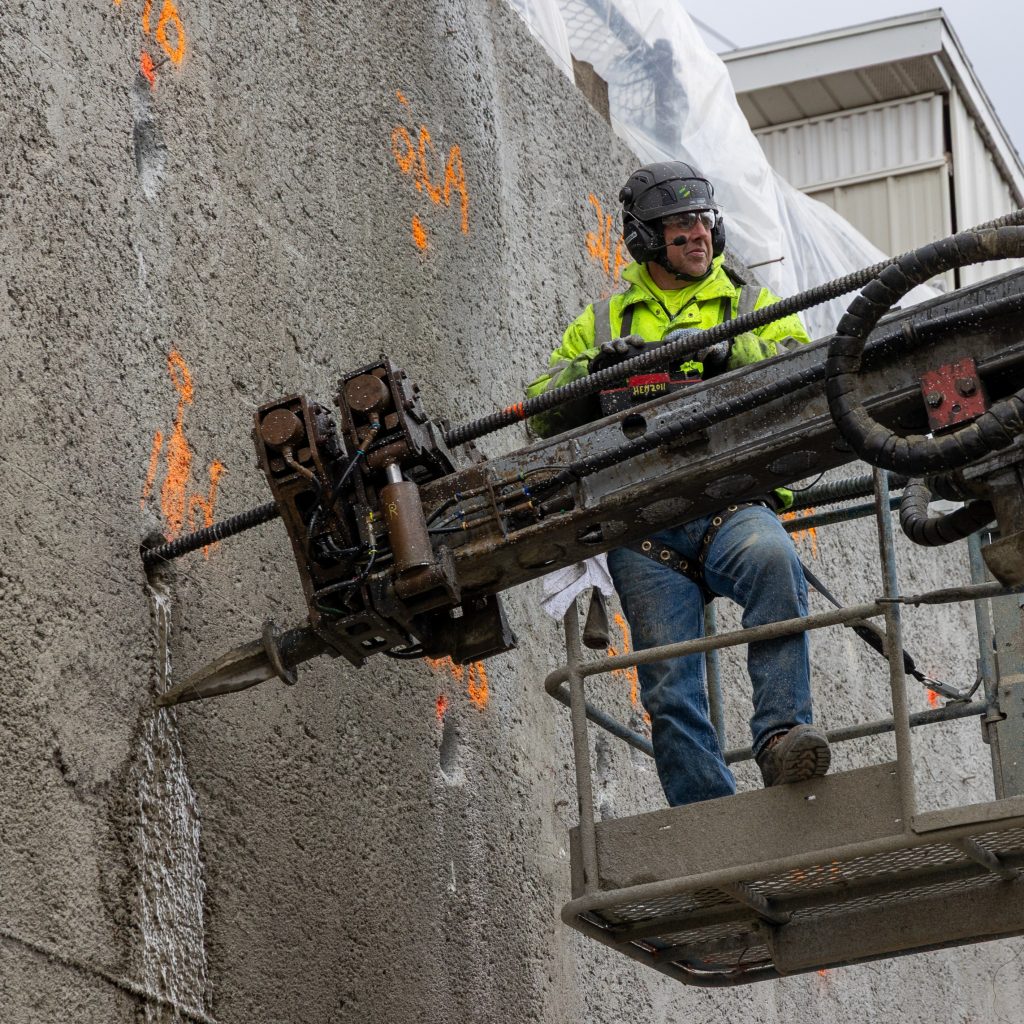
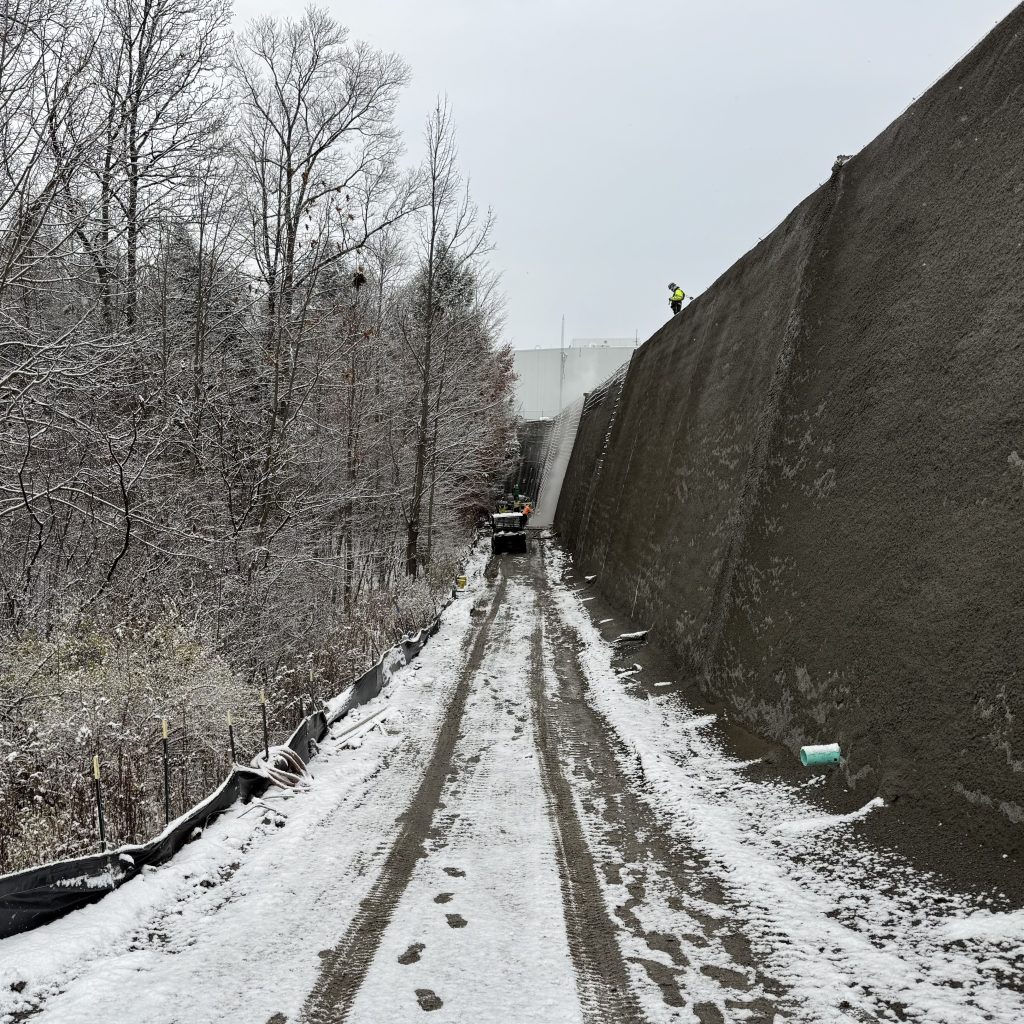
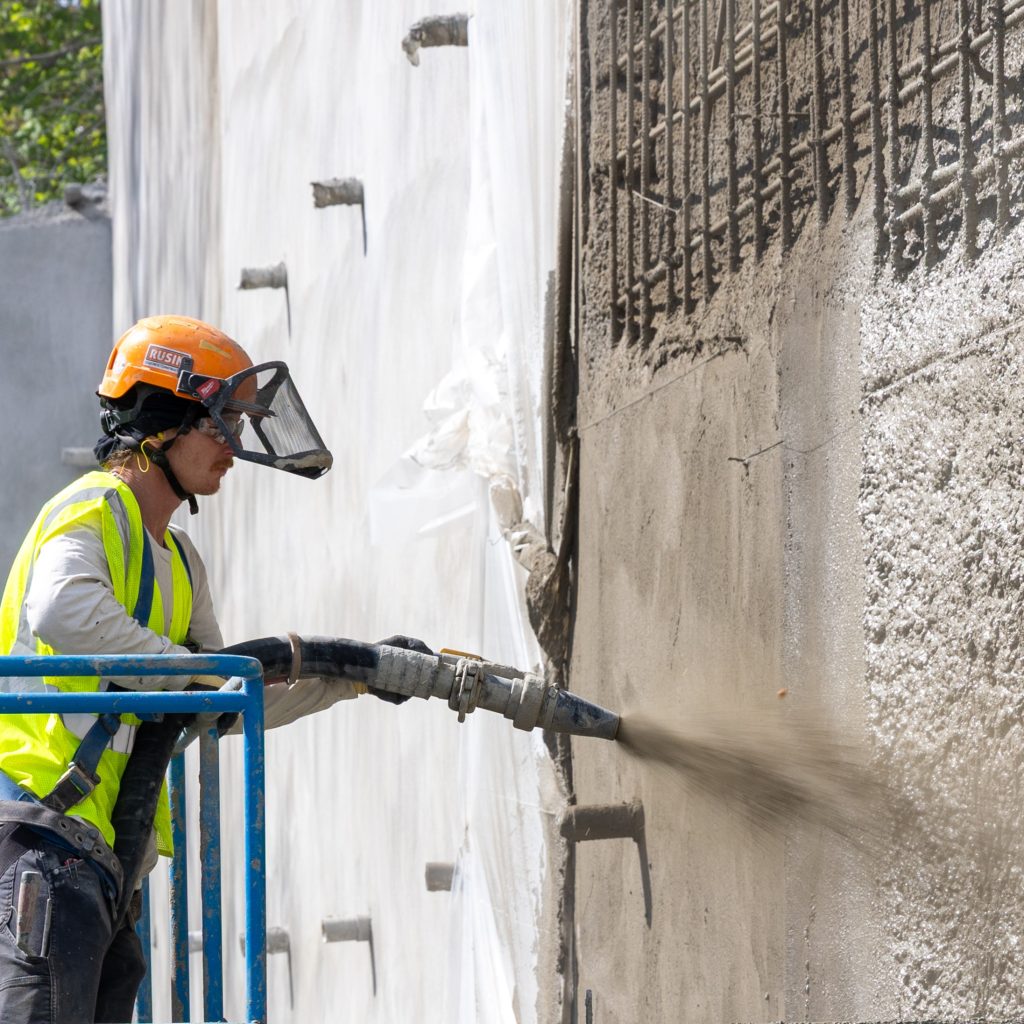
Industry standards & compliance
The Capital Improvements market is driven by trusted relationships and investment allocations.
Regulatory Environment
Capital improvements work is regulated by the local municipalities, the owner, the tenant, and the guidelines of all surrounding buildings and operations. When working with a preexisting structure, the original directives must be considered.
Core Competencies
A successful specialty contractor works well with others, respecting any ongoing operations to minimize disruption. Exposure to a wide range of project types, facility conditions, and building systems strengthens a contractor's ability to support a client's long-term asset management and facility performance objectives.
Geographic Exposure
The demand for maintenance and tenant-driven improvements of preexisting infrastructure is universal.
Rate of Innovation
Innovation in capital improvements is a function of the specialty contractor’s willingness to pursue unique problem-solving capabilities. Experience with varied tools and diverse methods expands their ability to create tailored solutions aligned to a client’s schedule and budget.
Scope Components
Client Testimonials