Market Insights
Mission Critical
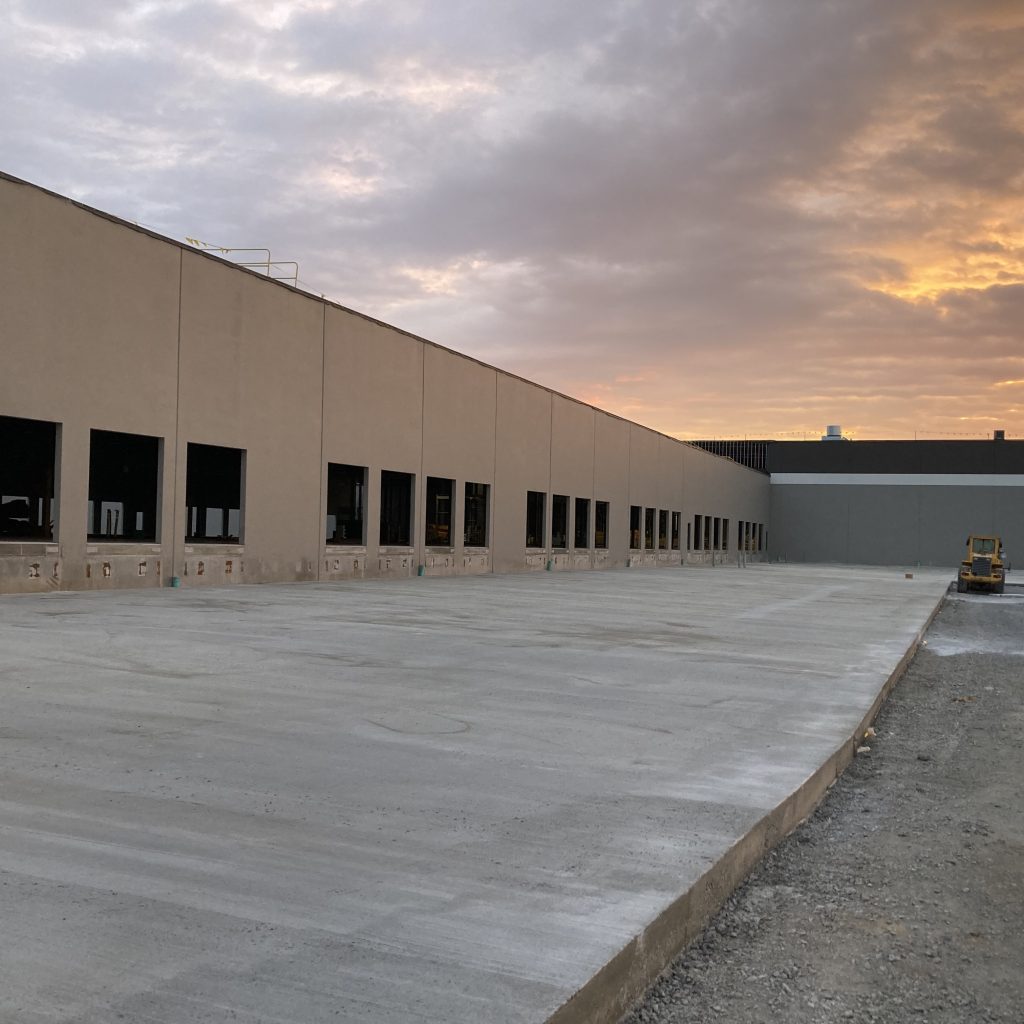
Comprehensive resources to meet stringent standards.
Infrastructure constructed within the mission critical market has become increasingly essential to the US economy and national security. Designed for uninterrupted 24/7 year-round operation, these facilities provide indispensable support and security to all sectors of modern society. They are engineered with redundant networking, cooling, and energy systems for resilience against system failure that could disrupt critical communication or the loss of sensitive governmental or private data.
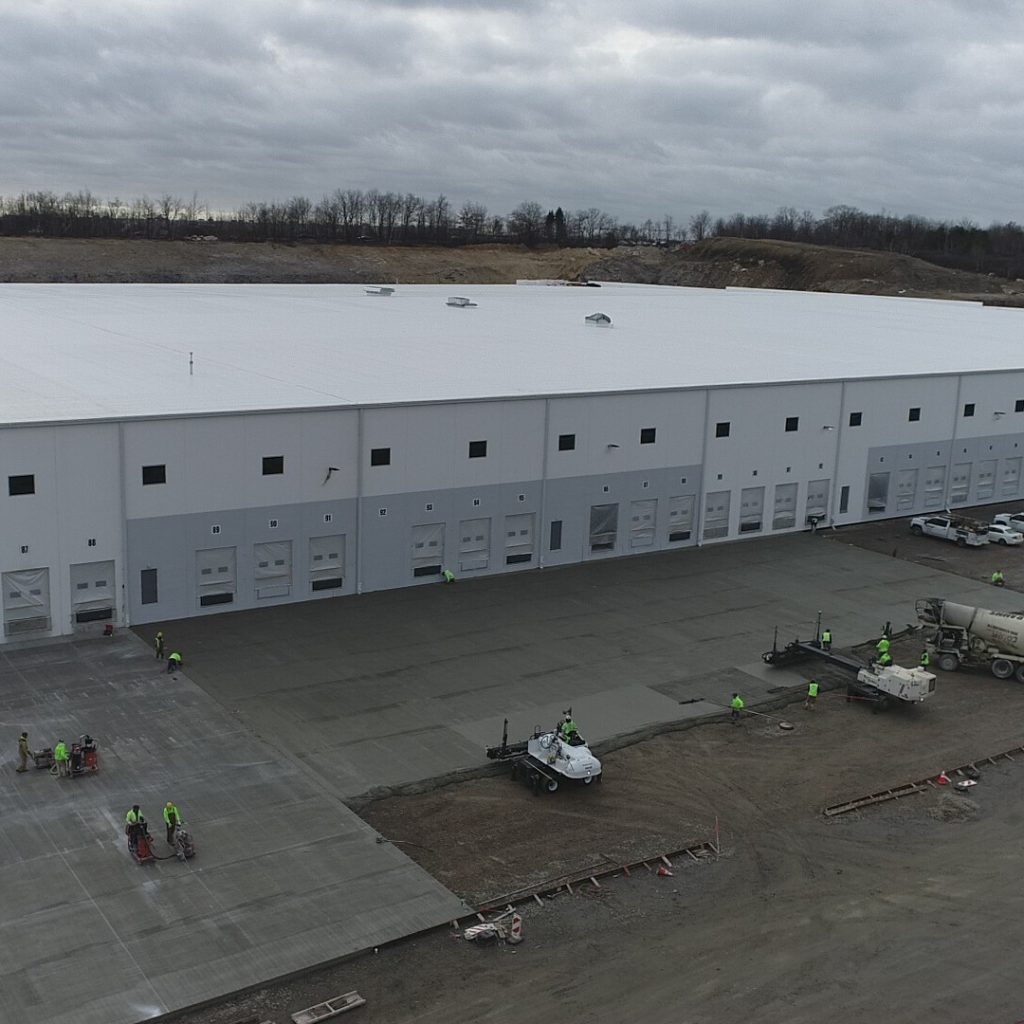
The construction of data centers, semiconductor facilities, military operations centers, hospitals, and other mission critical buildings is driven by speed to market. Defined by high operational standards, they are built with meticulous planning and execution. Success in this market requires organizational depth behind the work and experienced leadership embedded on site.
Evolutions in Mission Critical
Demand for mission critical facilities is rapidly accelerating with aggressive capital investment from governments and hyperscale technology companies. Growth is intensified by geopolitical competition, advancing cybersecurity threat protections, and need for uninterrupted communication channels. Notably insatiable demand has evolved with the construction of secure data center campuses to support AI and cloud computing operations.
East Coast data center development rose significantly in the early 2000s. Expansion first accelerated in Washington D.C. and Northern Virginia, where strong internet connection, available land, and supportive government permitting were ideal for construction. The footprint of these hyperscale campuses continues to expand across the nation, driven by rapid speed to market demand for infrastructure continuity. These facilities are increasingly associated with high-density power requirements, advanced cooling systems, and high-performance computing workloads, making 3D modelling an essential tool to coordinate the trades and systems that support the infrastructure.
As rapid market growth continues, so does public scrutiny. Communities have raised concerns about the environmental impacts of data centers, including water usage, energy consumption, and land development. This resistance can delay permitting and approvals for construction of the facilities. In response, the market is shifting to include more sustainable practices, such as carbon reduced concrete mix designs and the utilization of renewable energy sources.
Market Considerations
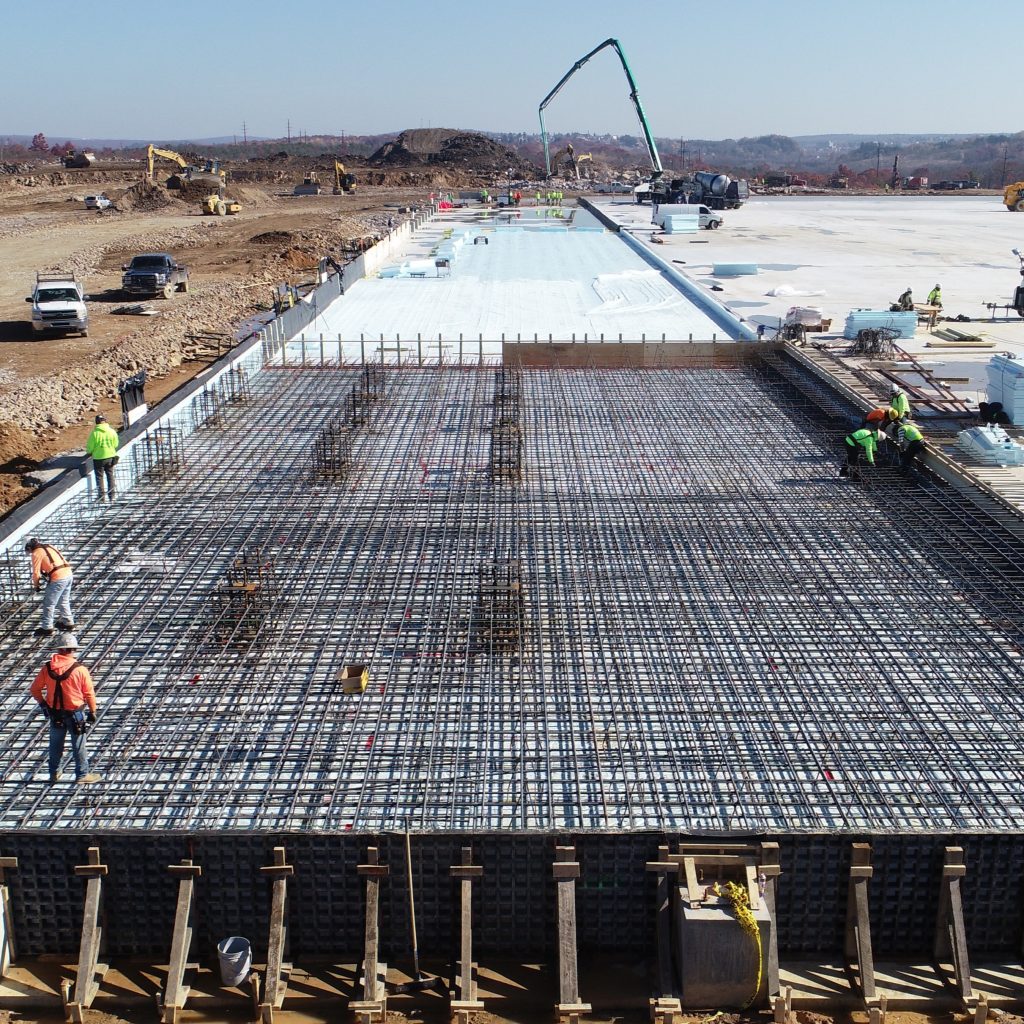
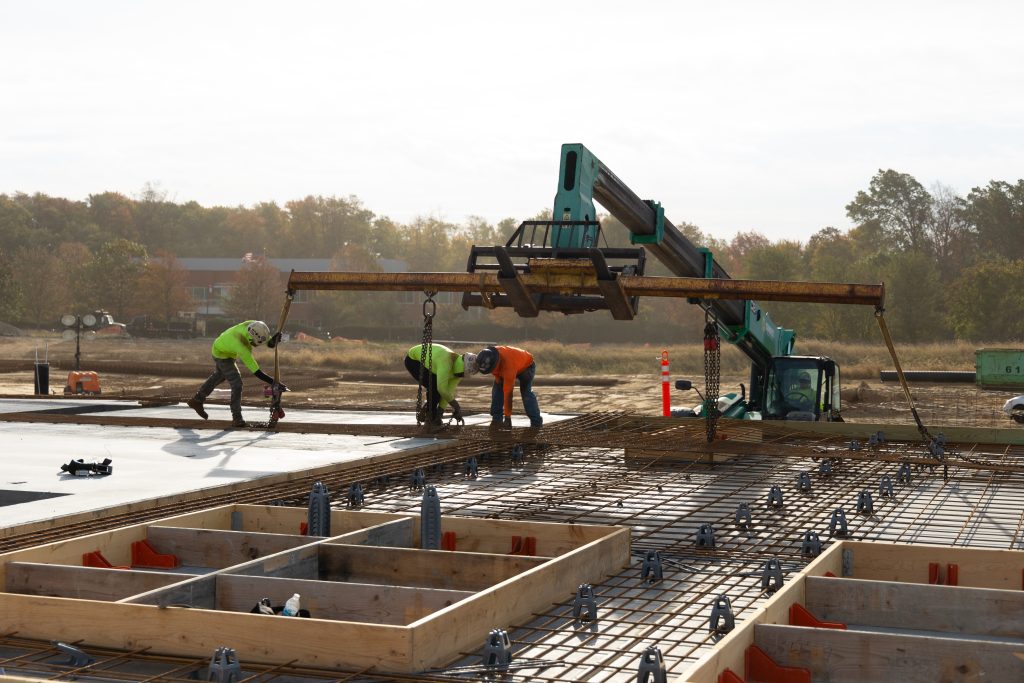
As essential facilities with demands for high speed to market, mission critical projects are defined by compressed timelines. The primary goal is to deliver the product in the shortest timeframe without compromising strict safety and operational standards. Construction involves simultaneous activity of mechanical, electric, plumbing, concrete, and other contractors within a compact footprint, making meticulous coordination between the trades crucial to meeting the schedule expectations of the client. For data centers, construction is typically within a larger campus of centers, where each facility may be at a different stage of construction. Contractors must proactively align their schedule with all other trades on campus and continuously adapt to evolving site conditions to prevent delays.
Market Forecast
Demand in this market continues to push the limits of what the industry can deliver. As timelines compress, the opportunity will favor contractors willing to stretch beyond what is familiar to keep pace.
Brian Boyer, EVP Business Development
Industry standards & compliance
The mission critical market is driven by insatiable demand.
Regulatory Environment
Mission critical facilities are governed by strict national, state, and local regulations to protect sensitive information networks and essential infrastructure reliability. Sector-specific compliance requirements exist within the market with involvement from the DOD or DEP. Construction is also completed within intense security environments to protect the facilities; controlled entry points, perimeter protection, advanced surveillance, and non-disclosure agreements are common practice.
Core Competencies
The density of building components in mission critical facilities necessitates BIM and 3D modelling software for the purposes of clash detection and building sequencing. Specialty contractors are expected to engage the technology throughout the construction process to detect potential conflicts between trades and within the design, preventing costly rework and delays that would derail rigorous scheduling expectations.
Geographic Exposure
Mission critical site locations are chosen based primarily on proximity to an energy source. With power distribution systems, advanced cooling methods, and high-performance networks, these facilities are regularly built in areas with direct access to large power generation infrastructure to support sustained active operation. As market demand has outpaced energy infrastructure, power supply solutions being explored include small modular reactors (SMR) and sun-synchronous orbital satellites.
Rate of Innovation
Mission critical facilities have high power demands, making energy consumption and embodied carbon key considerations in project development. In response, developers are increasingly incorporating renewable energy sources and lower-carbon construction materials to reduce environmental impacts and meet sustainability targets. The accelerated construction timelines, however, can derail the successful implementation of these evolving technologies.
Scope components
Client Testimonials