Market Insights
Industrial / Commercial
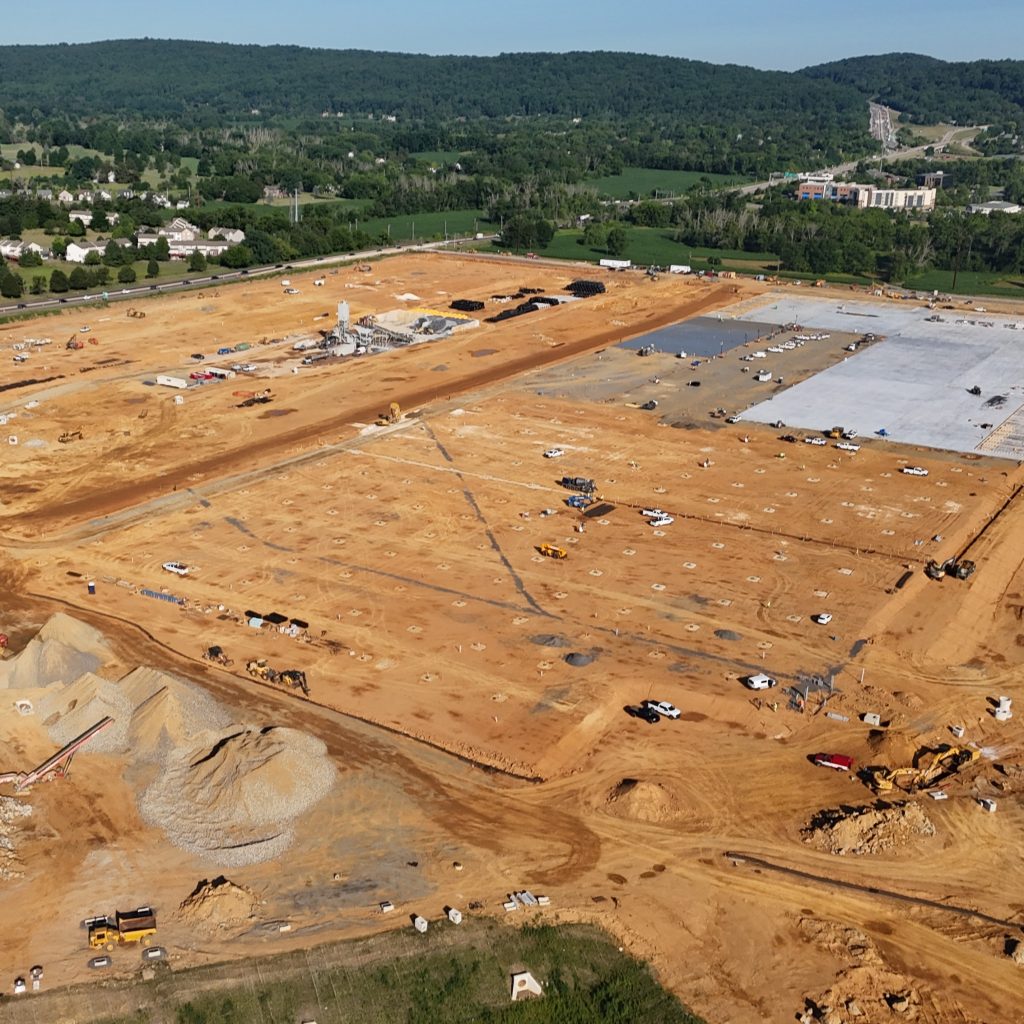
Reliable results for price-driven demand.
Industrial and commercial construction is the bloodline of consumer spending. Warehouses, manufacturing buildings, and commercial facilities are where goods that fuel the consumer economy are produced, stored, and moved. At its core, this market is about people: how they spend, how they consume, and how these patterns impact demand.
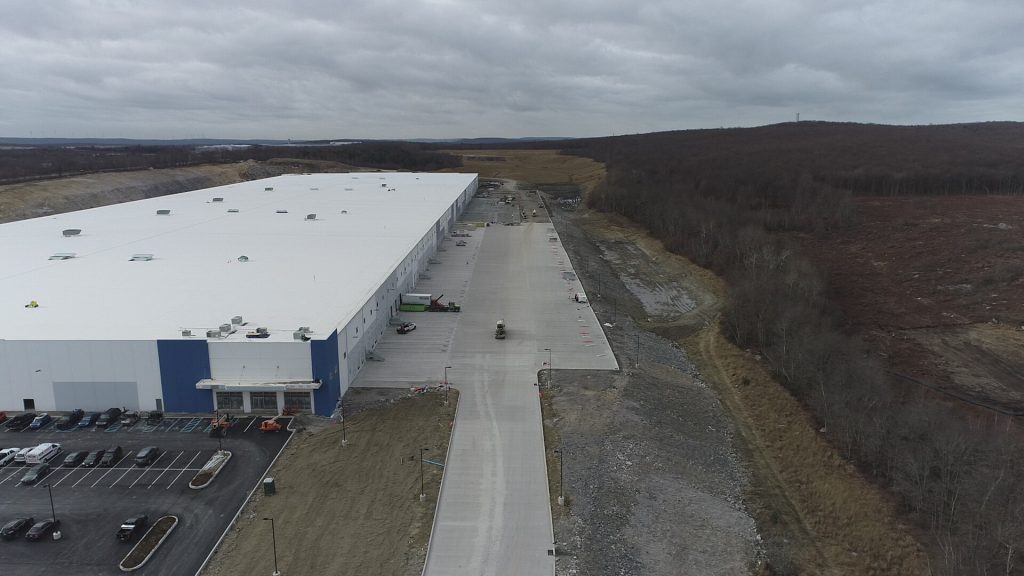
The market is influenced by projected demand through speculative development. Warehouses and commercial buildings are often constructed without pre-committed tenants and designed with broadly appealing specifications for predicted future tenant occupation. The market is additionally influenced by certain demand through built-to-suit. When tenants are confirmed prior to construction, specifications are tailored to their custom needs.
Consumer patterns, price, and speculated demand drive the industrial and commercial sector. Successful construction in this market is measured through reliable and on-time deliverables. Contractors that maintain long-standing and trusted relationships with vendors can create a superior product with decreased risk for clients.
Evolutions in Industrial / Commercial
Throughout the 20th century, the industrial and commercial market has evolved alongside the modernization of U.S. infrastructure. The growth of e-commerce accelerated demand for larger storage and distribution centers, driving advancements in equipment, technology, and high-performance slab specifications such as the F-min system.
As a price-driven market, industrial and commercial construction is highly sensitive to economic contractions. During the 2008 recession, demand in the market plummeted due to restricted access to financing and investor uncertainty towards speculative builds.
The COVID-19 pandemic brought a substantial increase in speculative industrial development; demand rose as nationwide stay-at-home orders accelerated online spending and product delivery. Conversely, commercial development waned due to the rise of remote work models and disrupted hospitality and retail activity.
Recovery since the COVID-19 pandemic has softened demand and left a surplus of vacant speculative structures. The market has shifted to build-to-suit projects in an effort to reduce economic risk. Further developments are also shaped by sustainability initiatives and the implementation of carbon reduction concrete methods.
Market Considerations
Speculative buildings are purposefully designed to accommodate the greatest number of possible tenants, but very often when a specific tenant commits to the building during active construction, the design and scope of the project can change drastically. Proven industry experience and flexibility can prepare a contractor for these changes.
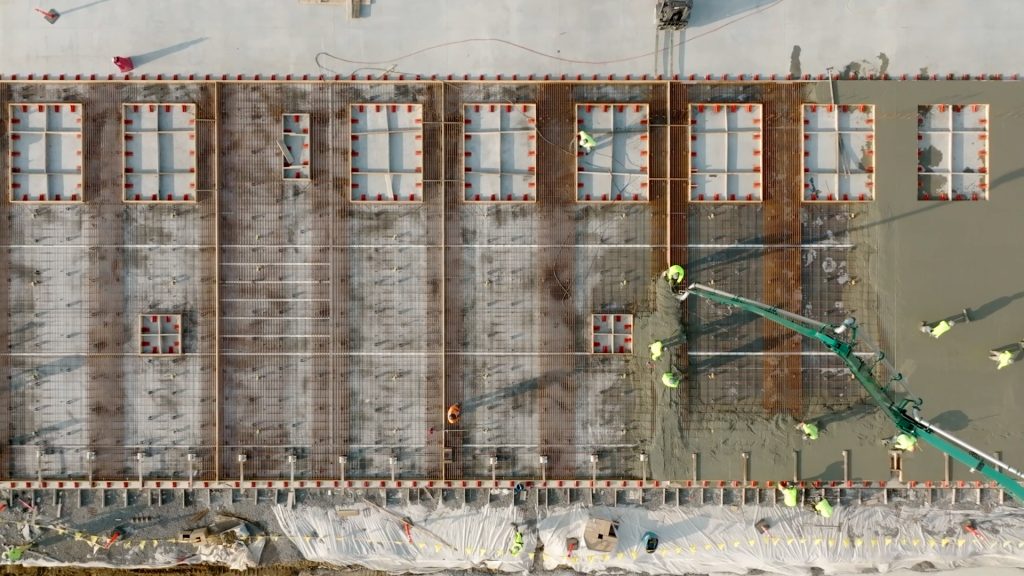
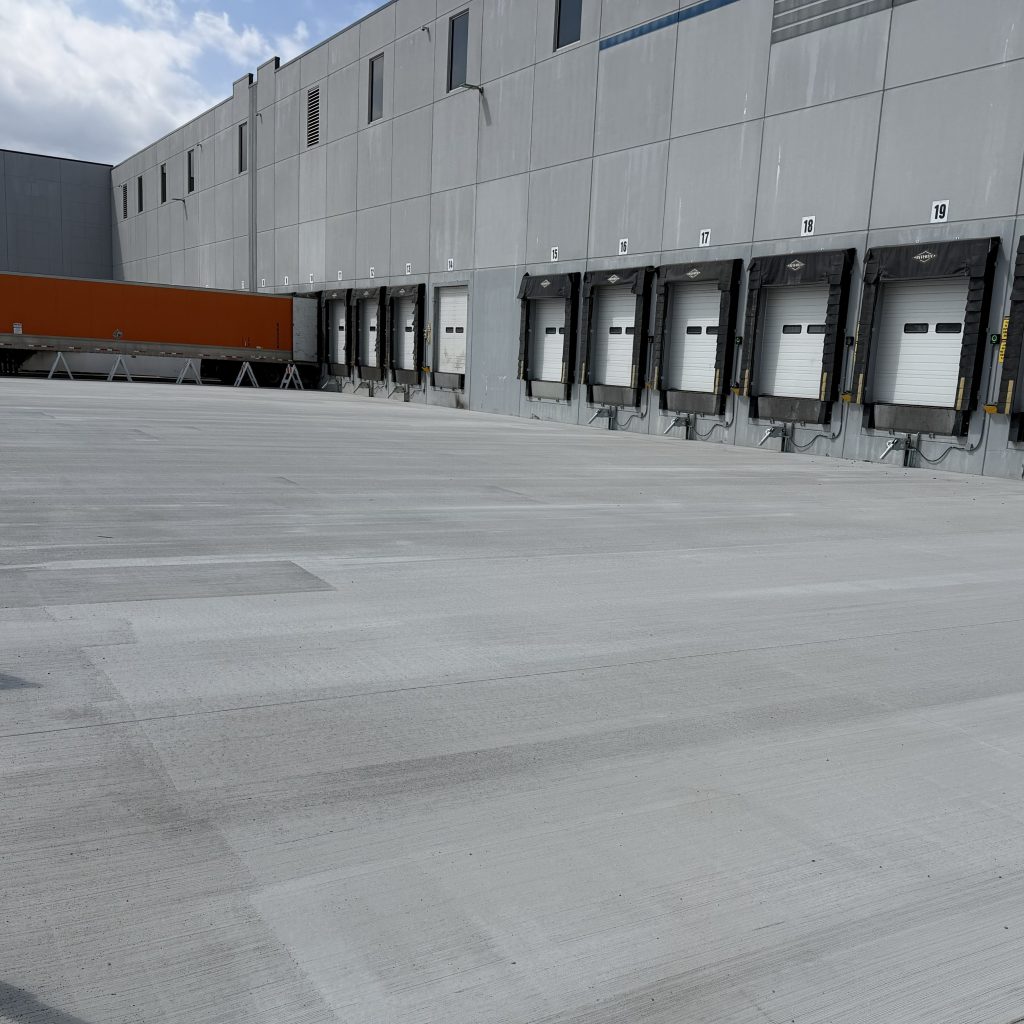
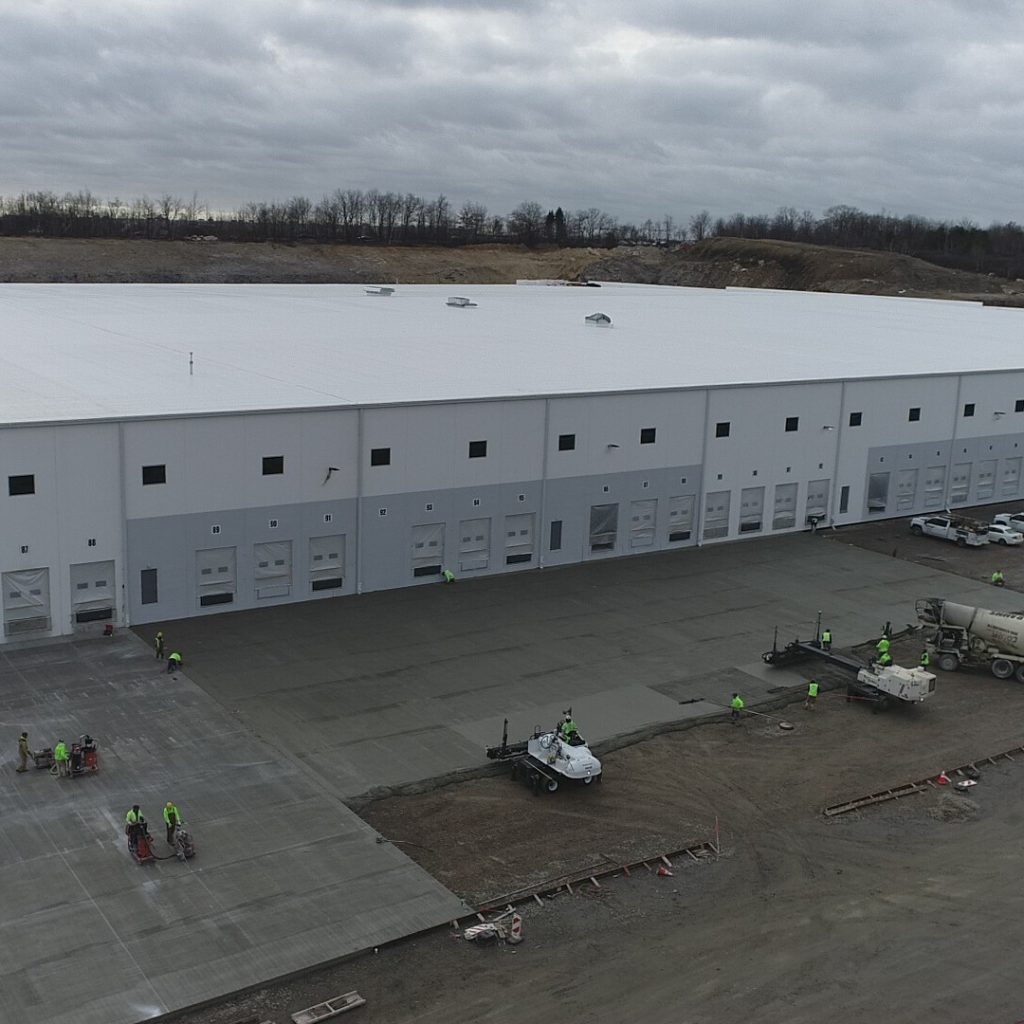
The strength and durability of a slab is crucial in the industrial and commercial market. A variety of slab designs may be used as buildings are tailored to their tenants. A contractor should be well-versed in variable concrete behavior in order to place and finish successfully. When clients invest in industrial and commercial buildings, they expect longevity in the slab’s performance.
Market Forecast
Industrial and commercial work remains constrained, with a stronger market likely still a year or two away. Until demand returns, heavy competition and the cost-driven nature of speculative construction will continue to put pressure on margins.
Brian Boyer, EVP Business Development
Industry standards & compliance
The industrial and commercial market is driven by speculative investment and consumer growth.
Regulatory Environment
The proliferation of warehouses, manufacturing buildings, and commercial spaces exists nationwide. Work in this market is typically developed as an investment, so site selection is frequently driven by availability and cost rather than soil conditions. Soil remediation is increasingly necessary prior to construction. Local zoning permits and engineering requirements govern the direction of the project.
Core Competencies
Industrial and commercial projects are often large-scale and high-volume, requiring reliable equipment and a consistent supply of quality materials. Specialty contractors should have strong relationships with local suppliers to ensure materials are delivered in the required quantities without compromising quality. These vendor relationships are built through regional market expertise and industry experience.
Geographic Exposure
The industrial and commercial market is found everywhere consumer demand exists. Manufacturing and storage facilities are typically situated near major transportation networks to support shipping and delivery of goods and materials. They require access to ports, shipping lanes, and population centers to supply a skilled workforce.
Rate of Innovation
Advancements in technology and methods for industrial and commercial construction are steady. Innovations are often geared towards extending the longevity of buildings while improving safety and productivity. More recent opportunities exist within the market to embrace the adoption of carbon reduction practices and materials.
Scope Components
Client Testimonials