Market Insights
Cold Storage
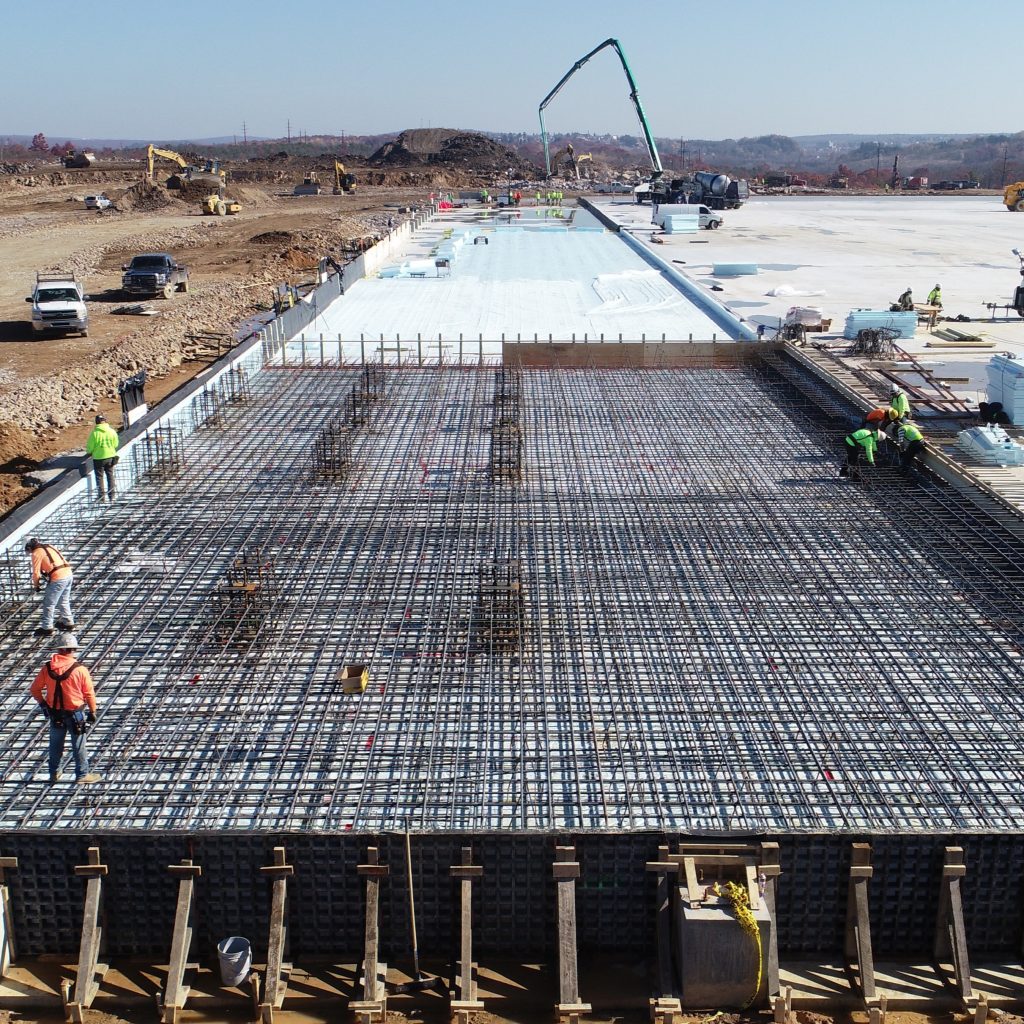
Strict tolerances demand resourceful construction methods.
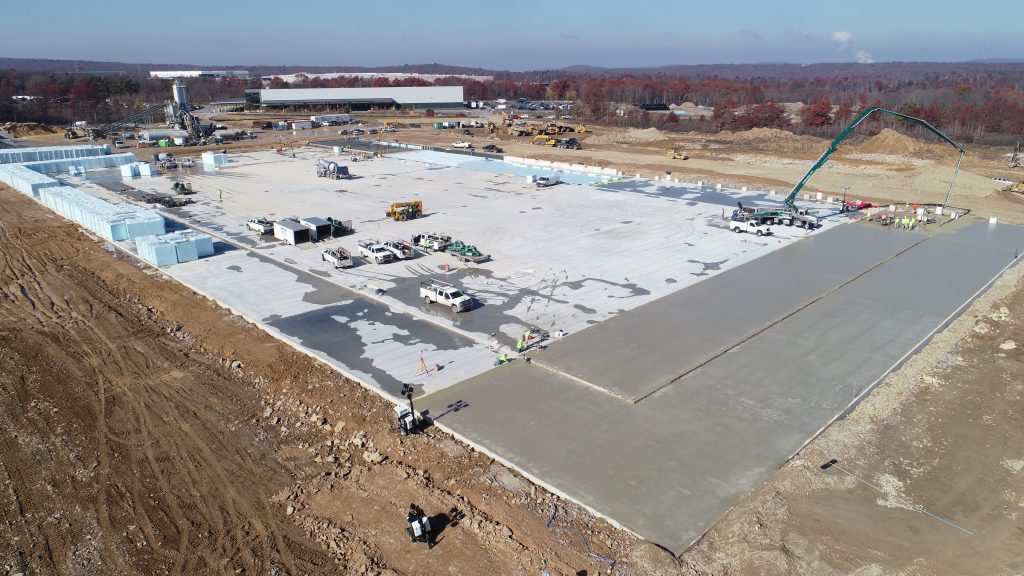
Cold storage facilities are climate-controlled, highly automated, end-to-end supply chain solutions engineered to store perishable goods. Construction of these buildings requires precise concrete application, meeting specific flatness requirements, thickness, and strict tolerances. The engineering of the slab requires an accounting for the stresses of extreme temperature, freeze-thaw cycles, and the load bearing capacity of machinery and high-density racking.
Achieving the building specifications and tolerances that cold storage construction demands necessitates an ability to see beyond the design; to have a comprehensive understanding of how each element within the scope is to be executed. Success in practice is achieved through innovation and flexibility with means and methods to determine the optimal solution for each build.
Evolutions in Cold Storage
The demand for temperature-controlled storage continues to grow alongside consistent demand for perishable goods. Persistent growth has defined the cold storage market, with evolutions arising from technological innovation and societal trends. These developments shift how facilities are engineered with increasing expectations for efficient space utilization and automated performance.
A significant shift in the cold storage market has risen from the growing popularity of grocery e-commerce and increasing consumer expectations around speed of delivery for frozen products. In turn, labor and energy costs have also risen in the market, necessitating more efficient temperature-controlled storage solutions.
Modern cold storage warehouses have evolved well beyond traditional climatized buildings. They are highly robotic, almost entirely automated, and taller to account for ASRS racking structures. These developments altered slab design: stricter tolerances, greater thickness, and specialized ASRS slabs with the flatness to support advanced equipment and racking.
While ASRS is compatible with both chilled and ambient environments, it has been a revolutionary automation solution in the cold storage market. It reduced labor exposure and safety risks while optimizing space utilization to accommodate steadily growing demand.
As technology progresses, cold storage warehouses continue growing in sophistication. Meeting the demands of the market requires awareness of innovations and the flexibility to alter methods to accommodate evolutions in automation and technology.
Market Considerations
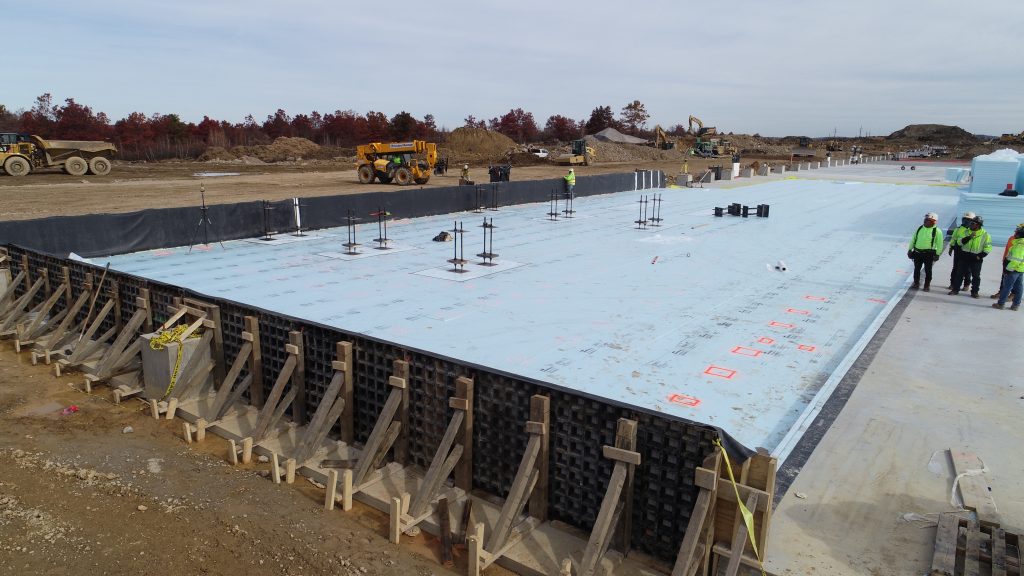
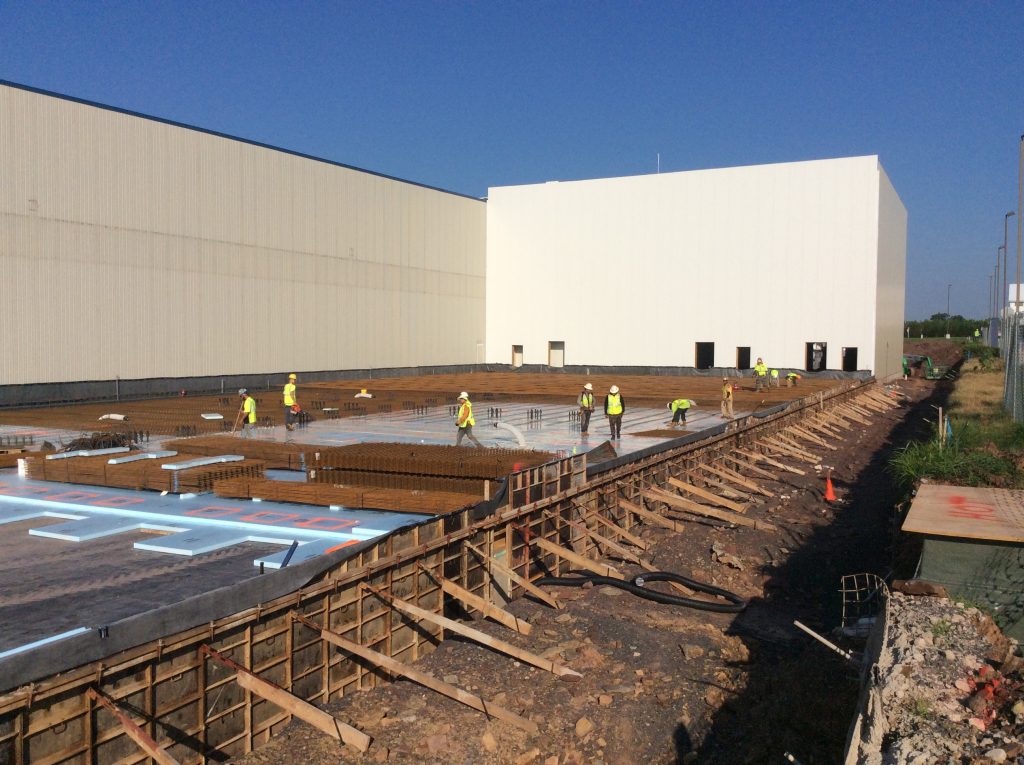
Cold storage construction relies on precision: in anchor bolt placement, in meeting flatness specifications, and in the sequencing of multilayered components. The slab must be able to support high-density racking loads and automated machinery. It must resist thermal stress and the risk of frost heave from sub-zero temperatures. If the slab is unable to support these needs, the thermal envelope of the building can be compromised and facility operations disrupted.
Market Forecast
Cold Storage should remain a dependable source of work for years to come. The technical burden remains high—demanding attention to detail, patience, flexibility in means and methods, and a willingness to figure things out.
Brian Boyer, EVP Business Development
Industry standards & compliance
The cold storage market is driven by the need for efficiency and food safety thresholds.
Regulatory Environment
The FDA has strict temperature thresholds for perishable food storage to maintain shelf life and prevent public health risk. A breach of the thermal envelope can compromise stored products, resulting in inventory loss, production downtime, and significant financial costs. Cold storage facilities are designed preventatively for temperature consistency in accordance with FDA regulations.
Core competencies
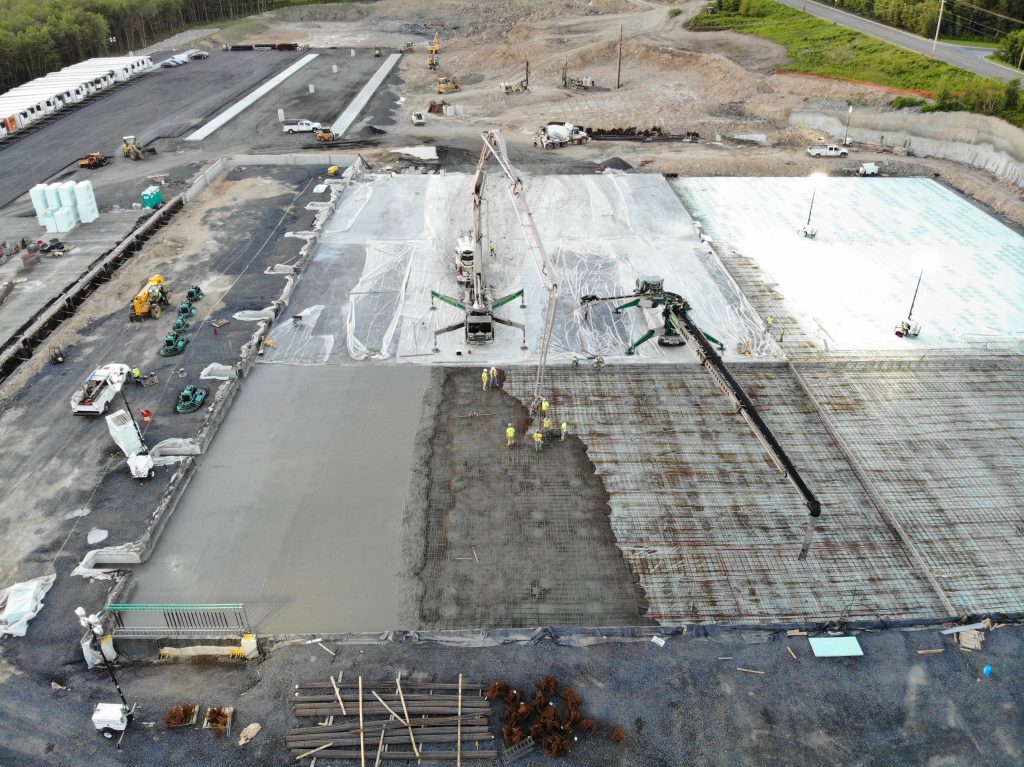
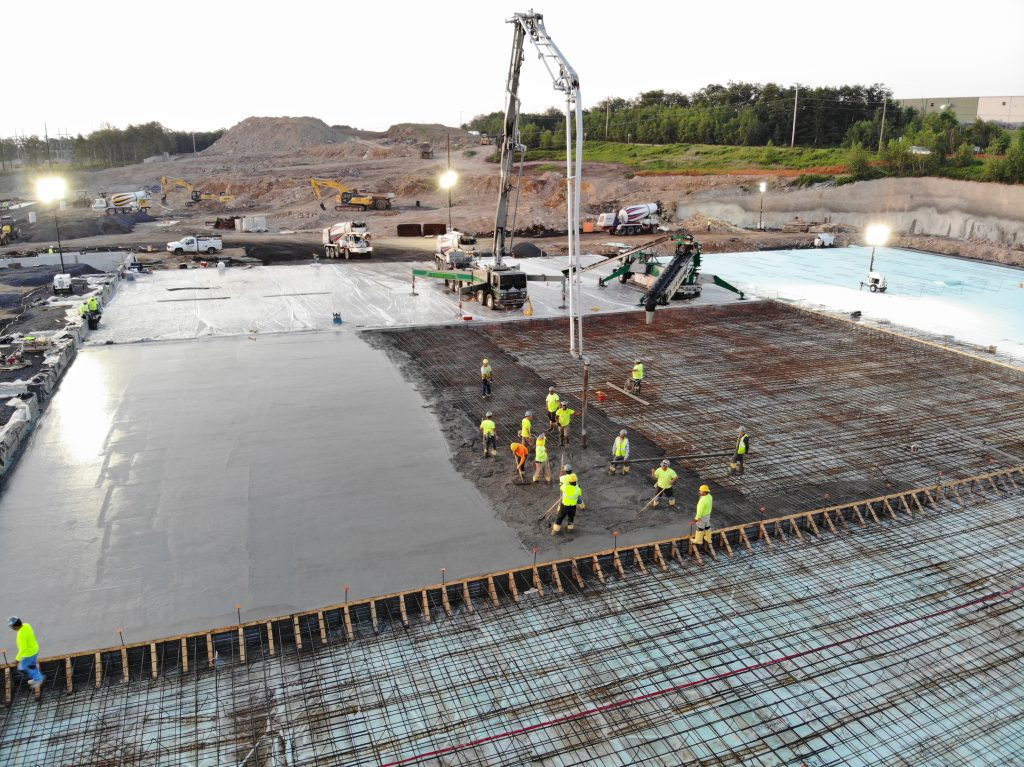
The exactness of the installed components requires a concrete contractor with advanced placement methods and screeding governed by laser accuracy. Adoption of modern technology is essential to meet specifications. Specialty contractors should have experience working with high volumes of concrete and strong-vendor relationships to facilitate an on-site batch plant.
Geographic Exposure
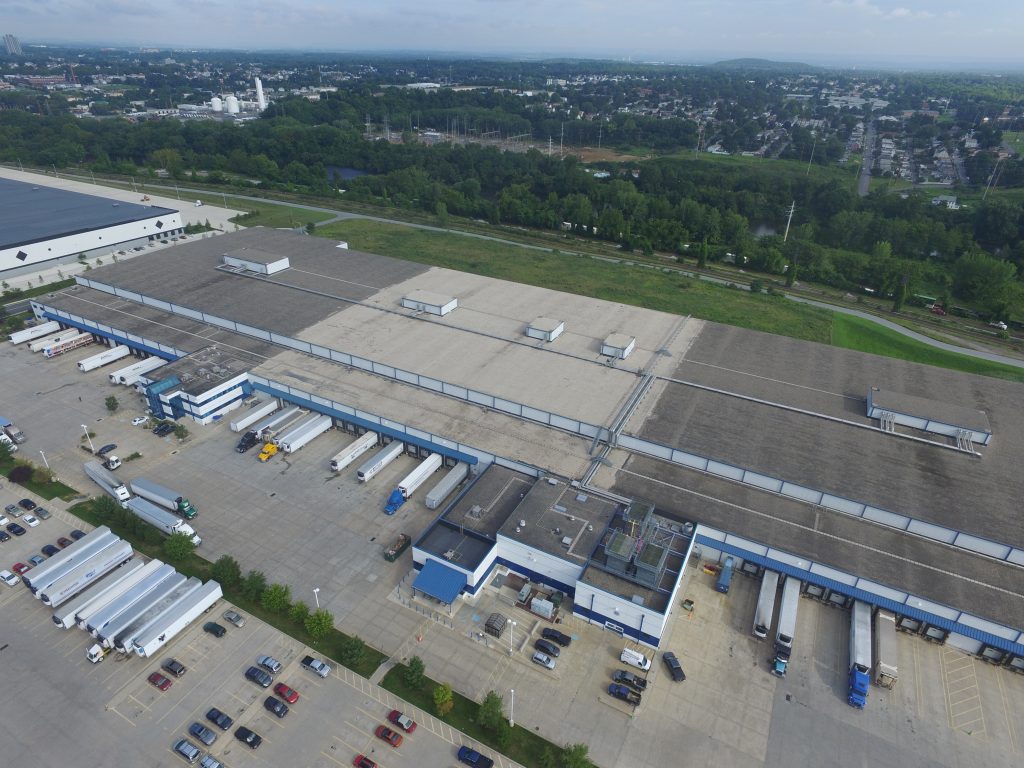
Cold storage warehouses exist globally, as demand for perishable food exists everywhere. The buildings are typically situated in locations that maximize supply chain efficiency and product accessibility: near major transportation hubs, locations with port access, high population densities, and regions with large amounts of agricultural production.
Rate of Innovation
Innovations in the cold storage market are driven by operational efficiency. Advancements in engineering have increased building height, racking density, and storage capacity. As facilities become increasingly automated, labor exposure is reduced, shifting focus of innovation away from people and towards maximum product inventory and longevity. A recent example being low oxygen storage technologies (CA/ULO systems) that extend the shelf-life of perishable goods while reducing fire risk.
Scope Components
Client Testimonials